
New brake pads and a continuing wear warning call for a workshop check, not an automatic second pad purchase. The correct response depends on the exact warning, the axle serviced, the wear-contact system and any required service registration. Clearing the display does not establish that the underlying issue is resolved.
This guide helps vehicle owners prepare a useful follow-up enquiry after a pad change. It concerns vehicles with brake-pad wear monitoring. It does not diagnose a general brake-system, ABS or parking-brake fault.
Start with the message, not the parts catalogue
While safely parked, record the exact warning text and symbol. Note whether it was present before the repair, remained immediately afterwards or appeared later. Refer to your vehicle handbook rather than assuming every brake-related symbol has the same meaning.
If braking performance changes, the pedal feels abnormal or the handbook requires you to stop, stop safely and seek professional assistance. Ask about recovery rather than treating the journey back to the workshop as a test drive. New pads do not rule out another braking-system problem.
Three questions to ask after the repair
1. Which axle was checked and repaired?
Compare the invoice with the warning information. Were front pads replaced, rear pads replaced or both? Ask the workshop to confirm which pads were inspected and which message the work was intended to address. A receipt for one axle does not establish that the other axle is within specification.
2. Were the required wear contacts included?
Wear indication can be electronic or acoustic, depending on the brake system. An electronic contact may be supplied separately from the pad set. Ask for the actual pad and sensor references, not just the statement that “the brakes were done.”
Brembo recommends replacing electronic sensors with its pad replacements where applicable. The correct replacement requirement must come from the instructions for your vehicle and fitted product. Do not assume that an old contact is reusable or that a similar-looking plug establishes compatibility.
3. Was the required service registration completed?
Some systems require more than fitting the parts. HELLA’s service information for BMW F10/F11 describes new wear contacts and registration through a CBS reset after the service. This is a specific application example; it should not be turned into a universal dashboard-button sequence.
Ask the installer whether your vehicle requires such a step and whether it was completed successfully. If the message remains, request investigation of the relevant sensor circuit, connections and wiring as well as the brake condition. The warning itself does not prove which component is at fault.
What to keep in your follow-up record
- Repair invoice, date and mileage.
- Exact message and whether it concerns a stated axle.
- When the warning first appeared relative to the repair.
- Pad and sensor references, including items bought separately.
- Any other warnings or changes in braking behaviour.
Request the findings before approving further parts. Ask what remains unresolved, what work is proposed and which charges it includes. A visible warning does not by itself prove either a defective new pad or an installation error.
A reset is not a substitute for a repair
Do not bypass the wear circuit, join wires to suppress a warning or keep clearing a returning message. The owner’s next step is to have the cause assessed, not to make the display look normal. Likewise, extra driving to bed in the pads is not a diagnosis of an electronic warning.
Follow the actual bedding instructions for the new components, and have the warning dealt with separately. There is no universal distance after which every wear message should disappear.
Order from a confirmed requirement
Before ordering pads or wear contacts, provide the OE number, model, model year, engine code, chassis/VIN and front or rear axle. Identify any modified brake assembly. A photograph can help, but the reference should be checked against the applicable catalogue.
Ask whether the quote covers an axle set, the required contacts and fitting hardware, and whether labour is separate. Do not assume that one sensor is supplied for every wheel or that all accessories are included. These details depend on the application and package.
Frequently asked questions
Does a continuing warning mean the new pads are worn out?
Not necessarily. The message and brake condition need checking before deciding what to replace.
Can I just buy a wear sensor instead?
Only after the required repair is established and the correct reference is confirmed. A sensor purchase alone cannot establish the condition of the brakes.
Do all brake-pad changes need a reset?
No. Follow the procedure for the exact vehicle. Any required service reset belongs after the necessary work, not instead of it.
Make the next enquiry useful
Explore ASTROLINE products and contact ASTROLINE with the vehicle identifiers, OE reference, required axle and workshop findings. Request the exact part reference and package contents. Compatibility, availability and price must be confirmed for your enquiry.
Sources
- Brembo: electronic wear sensors.
- HELLA: BMW F10/F11 wear-contact replacement and CBS reset.
- HELLA: electronic and acoustic wear indicators.
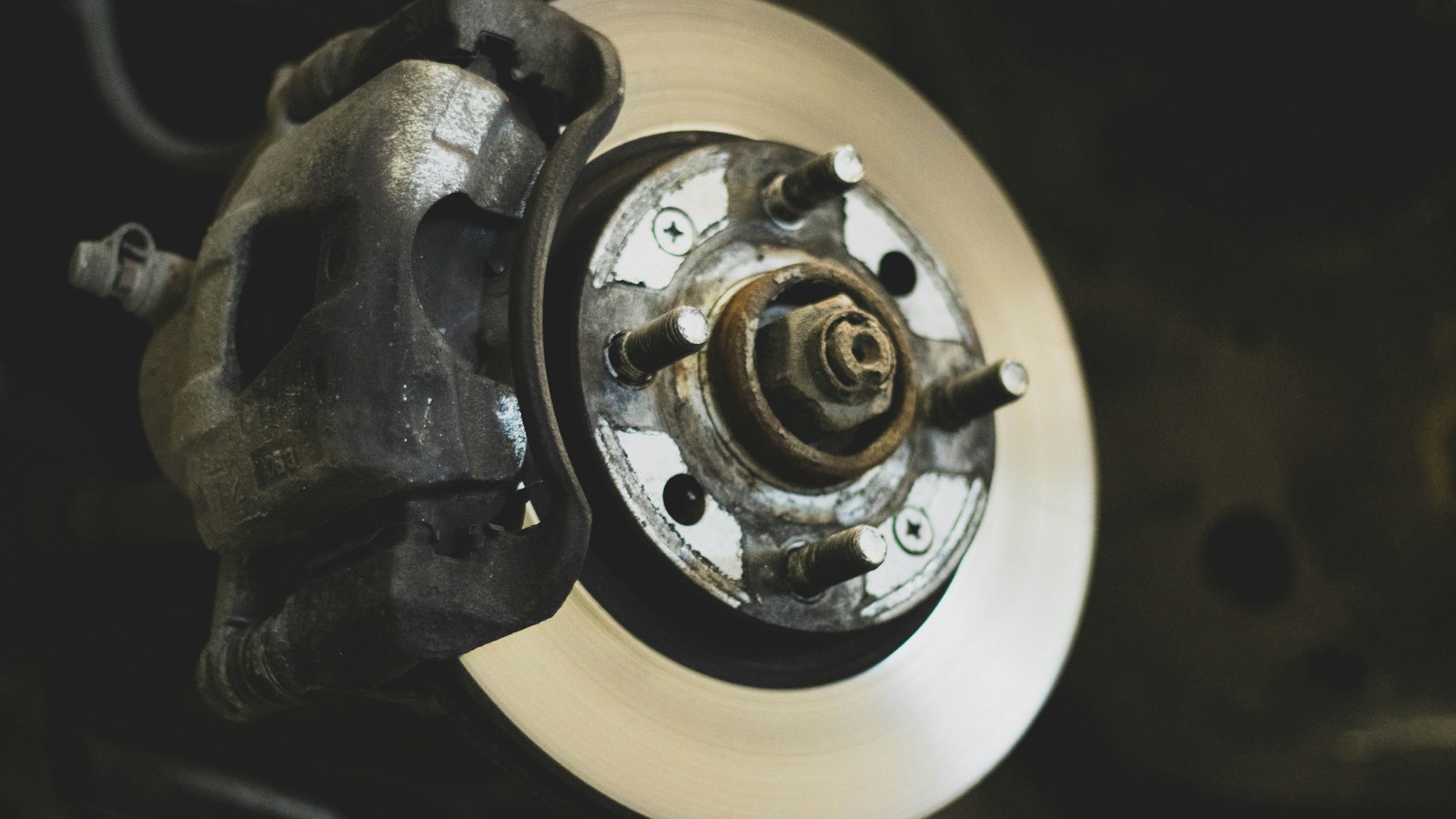
Sources reviewed 6 November 2026. Photo: Benjamin Brunner / Unsplash, under the Unsplash License. Illustrative brake assembly; it does not depict a diagnosed sensor fault or an ASTROLINE product.