
Continuing slip after a clutch replacement should be checked by the installing workshop. Do not assume that driving more will cure it. Follow the instructions for the exact clutch, but ask for an assessment before buying another kit or accepting a general explanation about bedding-in.
This guide helps owners of manual cars, vans and trucks describe a post-repair problem and make the next purchase decision. It concerns conventional friction clutches; automatic and dual-clutch transmissions need a different assessment.
First, describe what the vehicle actually does
“The new clutch is bad” is a conclusion. A clear observation is more useful: the engine speed rose, the vehicle did not accelerate as expected, a gear was engaged and your foot was off the clutch pedal. That pattern can indicate slip, although a workshop must establish the cause.
Slipping and not disengaging are different complaints
If selecting a gear is difficult, gears grind, or the vehicle tries to move while the clutch pedal is fully pressed, report those symptoms separately. They suggest a disengagement problem rather than proving slip. A burning smell alone cannot identify the faulty component.
Record what happened during normal use. Do not carry out hard acceleration, deliberate stall tests or repeated hill starts to reproduce the fault. If movement becomes unpredictable, the smell is strong or the complaint worsens, stop safely and ask the workshop about recovery.
Does bedding-in explain a slipping new clutch?
A replacement may come with specific bedding instructions. These depend on the product and application, so there is no universal mileage rule to apply to every clutch. Ask the installer for the actual instructions supplied with your parts.
Persistent slip is not a bedding procedure. It generates heat and deserves investigation. If you are told to “give it more time,” ask what finding supports that advice and what use is safe for your vehicle. Do not adjust the mechanism yourself.
Why another disc may not solve the problem
Manufacturer troubleshooting guidance includes causes outside the friction disc: a release mechanism that is not working correctly, contamination of friction surfaces, unsuitable flywheel condition or preparation, and parts that do not match the application. These are inspection possibilities, not a remote diagnosis.
Replacing parts without identifying the cause can leave the same problem in place. Ask the workshop to explain its findings, the repair scope and how the underlying cause will be addressed. The age of the parts alone does not prove a manufacturing fault or installation error.
Keep a short record before approving further work
- Repair date, invoice and distance travelled since installation.
- When the complaint began and whether it occurs cold, warm or under normal load.
- Pedal behaviour, smells, warning messages and any visible leak.
- Part references and the components included in the original repair.
- Any recorded flywheel work or release-system replacement.
Ask whether removed components and inspection photographs should be retained. Discuss the assessment process and any proposed costs under the applicable warranty terms before authorising more work. The outcome depends on the findings and agreed terms; a new clutch does not automatically mean every related cost is covered.
What to check before ordering a replacement kit
Provide the OE number, vehicle model, engine code, chassis/VIN and gearbox identification. Confirm the precise part reference and kit contents. Similar appearance, disc diameter or damper-spring count does not establish compatibility.
A parts enquiry is most useful when it includes the workshop’s diagnosis and identifies which components are required. Keep the diagnosis and the fitment check connected: the correct kit still cannot repair a separate unresolved cause.
Frequently asked questions
Can I drive until the clutch beds in?
Do not use continued slipping as a bedding method. Ask the installer whether further use is safe or recovery is needed, and follow the exact product and vehicle instructions.
Should the flywheel always be replaced too?
That decision depends on its type, condition and the applicable service instructions. Ask for the inspection findings rather than assuming every repair needs the same parts.
Does a new clutch slipping mean it is the wrong part?
An application mismatch is one possibility, but it is not the only one. Check the fitted reference against the vehicle identifiers and have the complete system assessed.
Make your parts enquiry specific
Explore ASTROLINE products and contact ASTROLINE with the OE reference, model, engine code, VIN, gearbox identification and workshop findings. Ask for the relevant part identification and kit details. Compatibility, availability and price need confirmation for your enquiry.
Sources
- ZF Aftermarket: clutch slipping.
- ZF Aftermarket: clutch does not disengage.
- Clutch Industries: slipping and chattering.
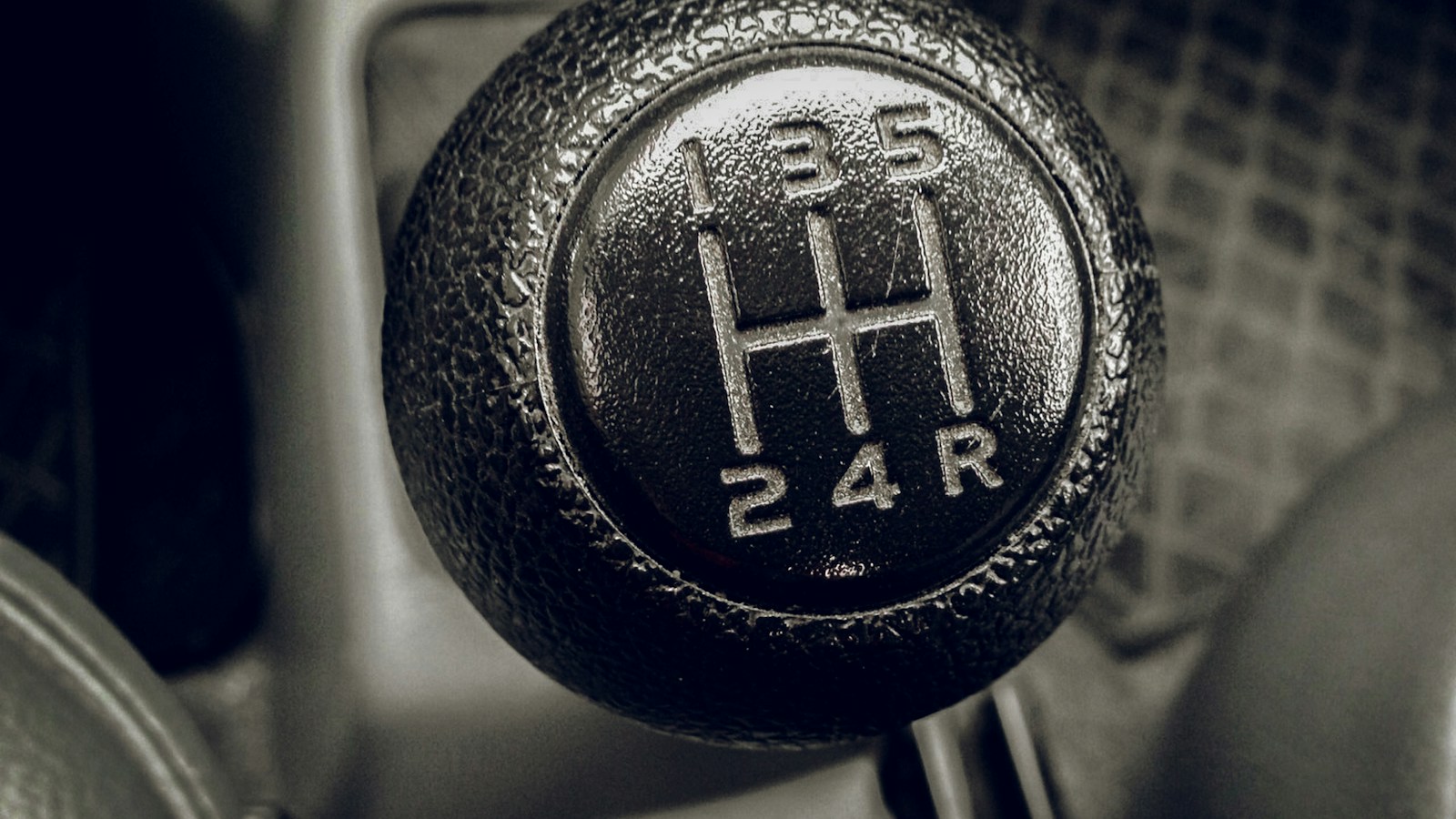
Sources reviewed 4 November 2026. Photo: Hari Perisetla / Unsplash, under the Unsplash License. Illustrative manual-gearshift image; it does not show a diagnosed fault or an ASTROLINE product.